
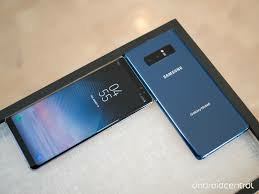
Rising from the ashes of the Galaxy Note 7, this year’s Galaxy Note has a lot to live up to. After a few weeks with Samsung’s flagship, one thing is perfectly clear to me: the Galaxy Note 8 is a curious smartphone.
High expectations
The Galaxy S8 was the first flagship to follow the Galaxy Note 7, albeit under a different product line, with minimal negative reactions. The Galaxy Note 8 arrived soon after to much aplomb. With record pre-orders and sales, it certainly looks to have delivered the follow-up superstar the Galaxy Note 7 deserved. Yet it somehow doesn’t feel the same as previous Galaxy Note devices.
It could be because past Galaxy Note devices have often launched when the smartphone industry was looking for something new and shiny to fawn over. This year, the smartphone industry has so much competitive choice that the allure of a shiny new Galaxy Note doesn’t have quite the same appeal.
Almost-flawless fundamentals
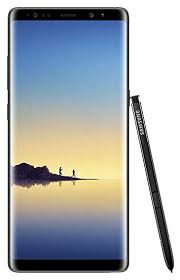
Fundamentally, the Galaxy Note 8 is almost flawless as a smartphone. With a few tweaks over the Galaxy Note 7, it offers a lot of the same refinement and polish as its popular predecessor and brings an experience that is mature in many ways.
Six weeks in, it can get a little hot, especially around the camera area, but there are no safety concerns with the Galaxy Note 8.
The 3,300 mAh battery shows that Samsung is playing it safe, much like with the Galaxy S8. I’m happy that they’re not taking risks like in the Galaxy Note 7, but sadly the battery doesn’t last as long as I’d like. Average battery life is in the 18 to 24 hours range, with around 4 to 5 hours of screen-on time. Given the screen size, a larger battery would have been welcome but the old adage that advancements in batteries haven’t kept up with advancements in other technology is certainly apparent.
The biggest criticism of the Galaxy S8 was the odd choice of fingerprint placement, and the Note 8 somewhat addresses this with a slightly rearranged order of the camera and sensors. The Note 8 features the dual cameras on the left, with the heart rate sensor and flash in the middle and the fingerprint sensor on the right. The sensor itself is slightly recessed, which makes it easier to find than the Galaxy S8 – with fewer fingerprints on the camera lenses.
The S-Pen delivers exactly what you expect – an excellent life-like writing experience, lots of customization, and plenty of legitimate uses. The screen-off memo now supports 100 pages of editable text that can be pinned to your Always On Display (AOD). I use it a lot to jot down notes, shopping lists, and reminders while walking down the street or when I just want to scribble something, and then pin them to the AOD.

 GeekyTech